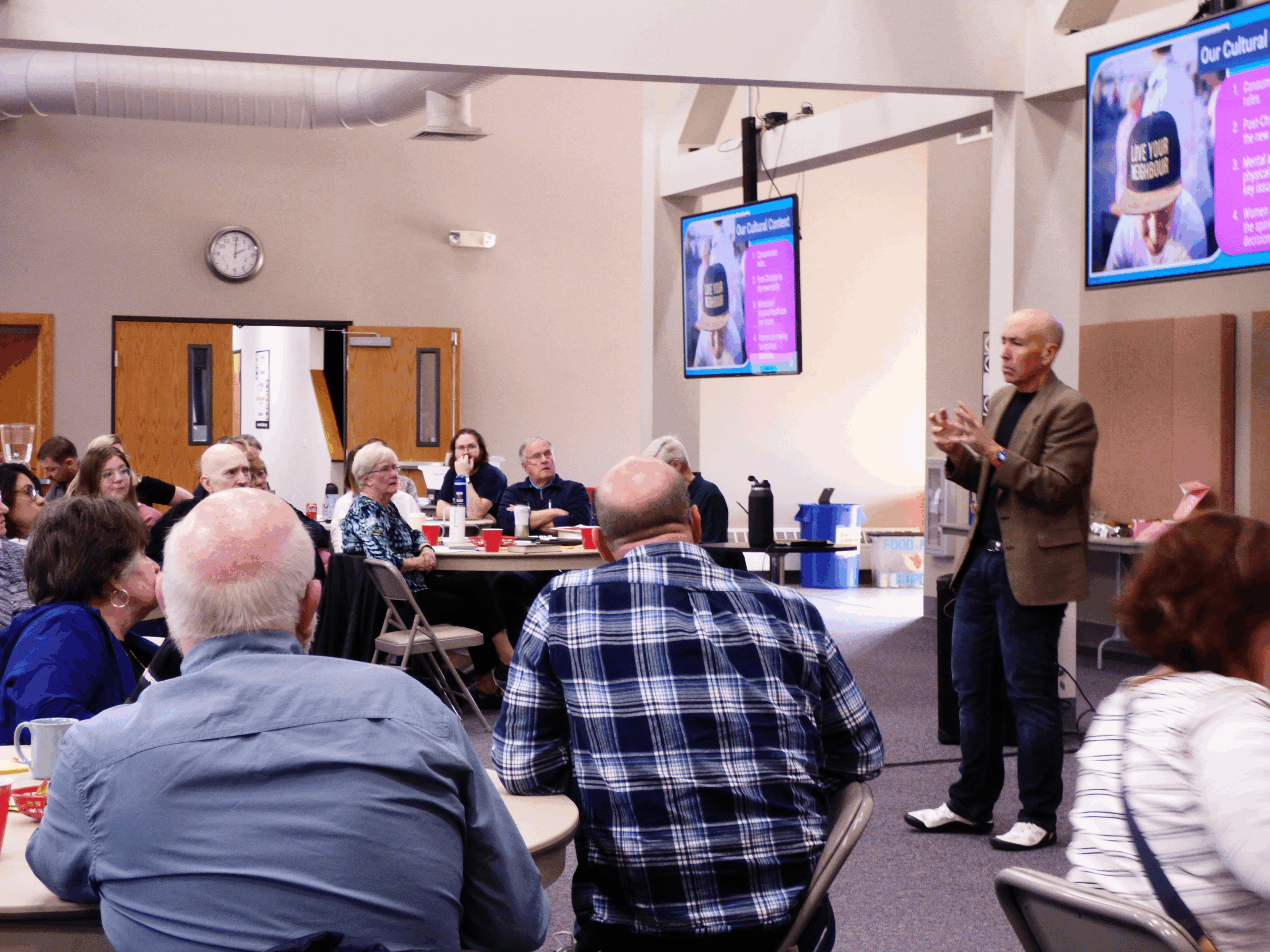
Good leaders know that meetings are more than just calendar blocks. They are opportunities to set the tone, build trust, and move the mission forward.
How you run your meetings can be the difference between communicating:
– You value your people vs. eroding their trust
– You’re prepared vs. wasting their time
– You’re committed to listening vs. not respecting their workload.
We’ve got decades of experience leading diverse teams and facilitating a variety of meetings. Here’s how to lead your team meetings in a way that builds a positive culture, strengthens relationships, and gets real work done.
1. Start with the Big Question: Do We Really Need to Meet?
Is there anything more frustrating than walking out of an hour-long meeting thinking “Well that was a waste?” Be intentional about how your team spends their time by asking yourself these questions before you even hit “send” on that calendar invite.
- Is there a chance for misunderstanding or tension? If the topic could be at all conflictual or volatile or somebody could read into it the wrong way, then err on the side of a meeting.
- Could a discussion or collaboration meaningfully change the outcome? If the plan or decision isn’t fully set and could change once you get feedback from others, having a meeting can lend itself to making a faster decision.
- How large is your project? What’s the timeline and would a real-time conversation accelerate progress? A big project with a looming deadline is more likely to warrant a meeting. If you’re working with multiple players (or maybe just a couple but they both need to do a lot of collaborative work) that’s better done face-to-face in real time.
2. Define the Purpose
Clarity is key for running a good meeting. Decide the purpose of the meeting and share it ahead of time. Here are some things to think through:
- Why you are meeting. What’s your goal? Write it down, and if possible, get agreement on the purpose of the meeting before it’s scheduled. Especially recurring meetings.
- What you will cover. What are the topics and decisions to cover? Again, we recommend getting input from other team members beforehand. We use the term “issues”. What issues do you want to solve in this meeting? (More on issues below)
- Who needs to contribute. What voices need to be heard?
3. Follow a Consistent Structure
This structure (that we’ve followed since 2018) keeps meetings people-focused, action-oriented, and feedback-driven. Following a clear agenda shows you’re organized, reliable, and respectful of the process. Consistency creates confidence.
- Prayer and personal updates: Open with connection.
Strong teams are built on trust, and trust is built on relationships. Starting every meeting with prayer and personal updates creates unity among your team. Have team members submit prayer requests ahead of time so sharing is focused and meaningful. This rhythm keeps us connected (without turning the meeting into a social hour). It also communicates that we care about the whole person, not just their role. For remote teams like us, this is especially important. Up your leadership game even more by using these moments to remember past requests (especially if someone said they “didn’t have anything” this week), follow up on personal updates, and demonstrate you’re paying attention. - Celebrations and milestones: Recognize wins. Big or small.
Ask your team to submit celebrations ahead of time, then highlight them in the meeting. More than a morale boost, this signals you notice and value effort. For our team, it’s a reminder that, no matter how many setbacks we might encounter, there is always reason to give thanks. Celebration shifts our perspective. Instead of working from a scarcity mindset – focusing on what we lack – we operate from a posture of abundance. We remember that God is at work and that His provision is greater than our limitations. Even something as simple as “the email went out on time!” is worth celebrating and evidence of His goodness and faithfulness. - “Rock” Update: Progress reviews on quarterly goals.
Our quarterly goals for each team are called “rocks”. Using a simple red-yellow-green system, team leaders confirm or update the status on their key projects before the meeting. Only stop to discuss items marked red. This keeps updates efficient, shows you respect your team’s time, and helps them focus on what truly needs attention. - Issues to solve, prioritized by the team: Invite your team into decision-making.
A strong meeting isn’t just about updates, it’s about solving problems. Ask your team to submit issues before the meeting (are you picking up on a theme yet?) and let others upvote the ones they think should be discussed. As a leader, you can still add your own priorities, but the balance of team-driven and leader-driven is a simple way to give people ownership of the agenda and helps your team see that their input matters. During the meeting, spend 10 to 15 minutes per issue. If you can’t resolve it in that time, assign it to the right people and move on so your meeting doesn’t drag and you still deliver real outcomes. Your people will leave knowing decisions were made, problems were addressed, and their presence mattered. They also gain visibility into what others are working on, helping to prevent the dreaded, “team silos”. - Rank the meeting 1-7: Building a culture of feedback.
Great leaders don’t just run meetings, they learn from them. One of the best ways to do that is by asking your team to rate each meeting. Every week, each member ranks our all-staff meeting on a scale of one to seven. Any ratings five or below, we ask them to explain their reasoning.
A Sidebar About Feedback
If your team isn’t used to giving feedback, asking them to rate a meeting can feel intimidating. But it’s actually one of the easiest ways to start building that kind of culture.
If you’re a pastor and you’ve never asked your team for honest reflections (“What did you think about Sunday’s sermon?” or “How did that event really go?”) people may not know how to respond at first. Or they may not believe you really want honesty.
That’s where a simple rating system helps. At the end of each meeting, ask everyone to score it on a scale of one to seven. Seven means “excellent use of my time,” four is neutral, and anything below four signals the meeting wasn’t helpful. Then, for at least the first six months, ask every person to explain their score—whether it’s a five or even a seven.
This step shifts feedback from vague opinions to concrete reasons. You’ll start to see patterns emerge. Maybe meetings run too long. Maybe updates feel rushed. Maybe the discussions are more helpful than you realized.
Over time, you’ll notice two things happening. First, your team grows more comfortable being honest because they see you can hear tough feedback without being defensive. Second, you’ll gather practical insights to improve meetings in real time.
4. Draw Out Every Voice
Some team members will naturally speak up. Others may need an invitation. Create space for everyone to contribute. Call on quieter people by name and give them time to respond. Wait 10 seconds before filling the silence. Sometimes you might even need to wait 20.
When you ask for input, you are telling your team, “Your perspective matters.” Over time, people will feel safe to share their thoughts, even if they disagree.
5. Keep It Action-Oriented and Document Decisions
Nothing undermines a meeting faster than walking away unsure of what was decided or who is doing what.
Assign action items in real time, preferably in a shared tool. We use Asana to track tasks and outcomes so everyone has visibility.
Before moving on from a discussion, pause and confirm: “Are we making that decision?” Make sure everyone agrees, and then record it. This prevents confusion, keeps projects moving, and shows you value clarity and accountability.
6. Watch the Clock and Stay on Track
Honor the start and end times you’ve set. It’s a powerful way to show respect for your team and build credibility. When you say a meeting will be one hour and it consistently stretches past, people feel their other priorities have been dismissed.
If you find yourself bumping up against your time limit, take a minute to decide whether to schedule a follow-up meeting or ask if people can stay longer. But only continue if the essential people for that topic are present and willing.
The agenda you set should keep the conversation focused. If a topic comes up that is not on the list, assign it to the next meeting or to a smaller group to handle offline.
Bottom line: Meetings Reflect Leadership
Every decision you make about a meeting—whether to hold it, how to prepare for it, how to run it tells your team something about you as a leader. Do you value their time? Do you listen well? Do you follow through? Do you keep your word?
Leading a great meeting is about more than checking off an agenda. It is about setting a tone that values people, builds trust, and creates momentum. When you lead meetings well, you lead your team well.
If you want more ideas on what makes meetings effective, check out Calendly’s 2024 State of Meetings Report. It offers research-backed insights into what works, what does not, and how to make meetings worth the time.
Let’s talk about how your church can rebuilt trust. Schedule a free discovery call with us today, and together, we’ll create a roadmap for growth that leads to a trusted, thriving congregation.